Missing teeth can affect both the function and appearance of a smile, impacting confidence and oral health. For individuals seeking reliable and effective replacements, dental bridges riverpark provide a popular solution. Dental bridges are designed to fill gaps created by one or more missing teeth, restoring chewing ability, speech clarity, and the natural look of teeth. This article explains what dental bridges are, the types available, the benefits they offer, the treatment process, and how to maintain them for long-lasting results.
Understanding Dental Bridges
What Is a Dental Bridge?
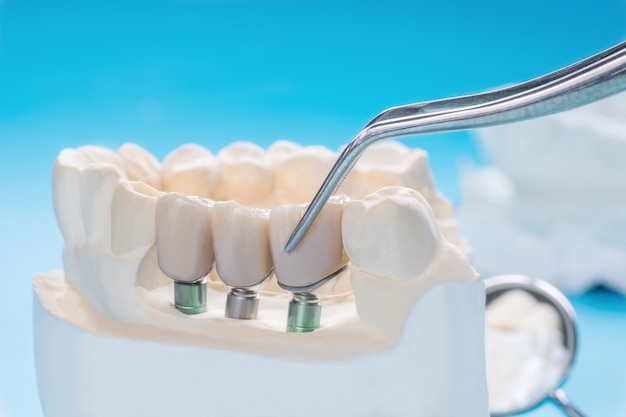
A dental bridge is a prosthetic device used to replace missing teeth by anchoring artificial teeth to adjacent natural teeth or dental implants. The bridge literally "bridges" the gap left by one or more missing teeth. It typically consists of two crowns on either side of the gap, which are placed over supporting teeth, with pontics—artificial teeth—in between to fill the space.
Purpose of Dental Bridges
The main goal of dental bridges is to restore the function and appearance of the mouth after tooth loss. Missing teeth can lead to difficulties with chewing, speaking, and may cause surrounding teeth to shift. Bridges help maintain the proper alignment of teeth and distribute the forces of biting evenly across the mouth.
Types of Dental Bridges
Traditional Bridges
Traditional dental bridges are the most common type. They involve creating crowns for the teeth adjacent to the gap and placing a false tooth or teeth between them. This type of bridge is strong and durable, suitable for replacing one or more missing teeth in areas where there are healthy adjacent teeth.
Cantilever Bridges
Cantilever bridges are used when there is only one adjacent tooth next to the gap. Instead of crowns on both sides, the bridge is anchored to a single tooth. While less common, cantilever bridges are an option when a patient’s dental structure limits other options.
Maryland Bonded Bridges
Maryland bridges use a metal or porcelain framework bonded to the back of adjacent teeth. This option preserves more of the natural tooth structure but may be less durable than traditional bridges. Maryland bridges are often chosen for front teeth where less stress occurs during chewing.
Implant-Supported Bridges
Implant-supported bridges are anchored to dental implants instead of natural teeth. This type of bridge offers excellent stability and does not require altering adjacent teeth. Implant-supported bridges are ideal for patients missing multiple teeth in a row and provide a more permanent solution.
Benefits of Dental Bridges
Restored Chewing and Speaking Abilities
Missing teeth can make chewing certain foods difficult and impact clear speech. Dental bridges restore these functions by filling gaps, allowing patients to eat a variety of foods comfortably and speak clearly without worry about slipping dentures or gaps.
Preventing Teeth from Shifting
When a tooth is lost, neighboring teeth may shift into the empty space, causing misalignment. This can lead to bite problems and further dental complications. Bridges keep the remaining teeth in their proper position, maintaining overall oral alignment and health.
Improved Smile Aesthetics
Dental bridges restore the appearance of a full set of teeth, improving the patient’s smile and self-confidence. Bridges are designed to match the color and shape of natural teeth, creating a seamless and attractive look.
Long-Lasting and Durable Solution
With proper care, dental bridges can last many years. The materials used in their construction are designed for strength and wear resistance. Regular dental visits and good oral hygiene contribute to the longevity of dental bridges.
The Dental Bridge Procedure
Initial Consultation and Examination
The process begins with a dental consultation where the dentist evaluates the patient’s oral health, discusses treatment options, and determines the most suitable type of bridge. X rays and impressions of the teeth may be taken to assist in planning.
Preparing Adjacent Teeth
For traditional bridges, the teeth adjacent to the missing tooth gap are prepared by removing a portion of their enamel to allow room for crowns. This preparation ensures the bridge will fit securely and look natural.
Taking Impressions
After tooth preparation, impressions or digital scans of the teeth are taken. These impressions serve as the basis for creating a custom bridge that fits precisely. The dental laboratory uses these molds to fabricate the bridge.
Temporary Bridge Placement
While the permanent bridge is being made, a temporary bridge may be placed to protect the prepared teeth and maintain the appearance of the smile. This temporary solution allows patients to function normally during the waiting period.
Final Placement of the Bridge
Once the permanent bridge is ready, the temporary bridge is removed, and the new bridge is fitted and adjusted. The dentist checks the bite and appearance before cementing the bridge securely in place. Adjustments may be made to ensure comfort and function.
Caring for Dental Bridges
Maintaining Good Oral Hygiene
Proper care is essential to prevent decay and gum disease around the bridge. Brushing twice daily and flossing, especially under and around the bridge, help keep the area clean. Specialized floss threaders may be recommended to clean under the pontics effectively.
Regular Dental Checkups
Routine dental visits allow professionals to monitor the condition of the bridge and surrounding teeth. Regular cleanings and examinations help detect any issues early and extend the lifespan of the dental bridge.
Avoiding Hard and Sticky Foods
Certain foods can put extra stress on dental bridges or loosen the bonding. Avoiding very hard or sticky foods reduces the risk of damage and helps maintain the integrity of the restoration.
Who Is a Candidate for Dental Bridges?
Patients with One or More Missing Teeth
Dental bridges are suitable for individuals missing one or more teeth who want a fixed, non-removable solution. Adequate bone and healthy adjacent teeth are necessary for traditional bridge options.
Healthy Gums and Oral Tissues
Healthy gums and good overall oral health are important prerequisites. Gum disease or tooth decay should be treated before bridge placement to ensure a stable foundation.
Commitment to Oral Care
Successful bridge placement requires patients to maintain excellent oral hygiene and attend regular dental visits. Commitment to proper care enhances the durability and performance of dental bridges.
Alternatives to Dental Bridges
Dental Implants
Dental implants are a highly durable and permanent solution for missing teeth. Unlike bridges, implants do not rely on adjacent teeth for support. They involve placing a titanium post into the jawbone and attaching a crown. Implants may be recommended depending on bone health and individual preference.
Partial Dentures
Partial dentures are removable devices that replace multiple missing teeth. They are less expensive than bridges but may not provide the same level of comfort or function. Dentures can be a temporary or long-term solution depending on patient needs.
Conclusion
Dental bridges offer an effective and long-lasting solution for those dealing with missing teeth, restoring both function and aesthetics. By bridging gaps and preventing teeth from shifting, they contribute to overall oral health and confidence. Understanding the types of bridges, the procedure, and proper care helps patients make informed decisions. For those seeking professional guidance and quality care in the area, Clove Dental Riverpark provides expert services to help restore beautiful, healthy smiles with reliable dental bridges.